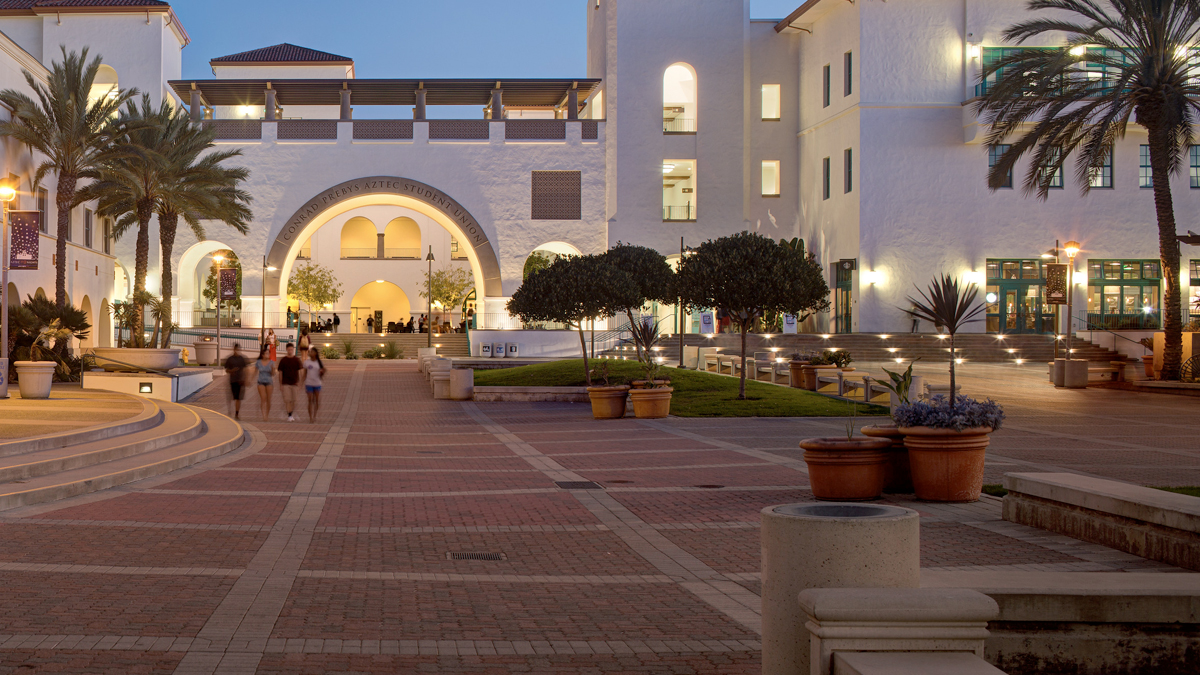
Let Books Be - Banned Book Week 2026

Read Out to protect the freedom to read
Join SDSU students, staff, and faculty to show your support for the right to read and to oppose censorship and book bans. Select a favorite banned book and read a short passage aloud. Sign up ahead of time so we have you on the schedule! Don’t want to read? Come listen and find a new book to read and enjoy!
“A dangerous book will always be in danger from those it threatens with the demand that they question their assumptions. They'd rather hang on to the assumptions and ban the book.”
― Ursula K. Le Guin, The Wave in the Mind: Talks and Essays on the Writer, the Reader and the Imagination
The SDSU Read Out is part of Banned Books Week
"Banned Books Week celebrates the freedom to read and spotlights current and historical attempts to censor books in libraries and schools. For 40 years, this annual event has brought together the entire book community — librarians, booksellers, publishers, journalists, teachers, and readers of all types — in shared support of the freedom to seek and to express ideas, even those some consider unorthodox or unpopular. The books featured during Banned Books Week have all been targeted for removal or restriction in libraries and schools. By focusing on efforts across the country to remove or restrict access to books, Banned Books Week draws national attention to the harms of censorship."
– American Library Association
Banned Books Week programs at San Diego State are only a part of similar programs going on around San Diego and across the CSU. The California State University remains committed to the principle that the freedom to read is essential to its mission.
What Books Are Most Frequently Challenged or Banned?
According to the American Library Association, these are the eleven most frequently challenged books in 2025.
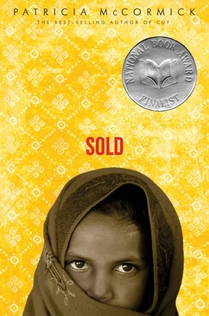
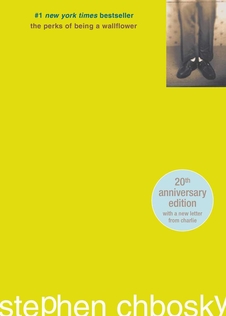
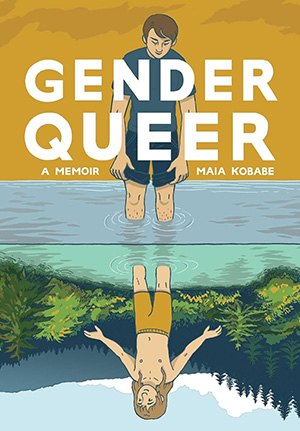
Maia Kobabe: In 2014, Maia Kobabe, who uses e/em/eir pronouns, thought that a comic of reading statistics would be the last autobiographical comic e would ever write. At the time, it was the only thing e felt comfortable with strangers knowing about em. Now, Gender Queer is here. Maia’s intensely cathartic autobiography charts eir journey of self-identity, which includes the mortification and confusion of adolescent crushes, grappling with how to come out to family and society, bonding with friends over erotic gay fanfiction, and facing the trauma and fundamental violation of pap smears… (Non-Fiction, Young Adult)
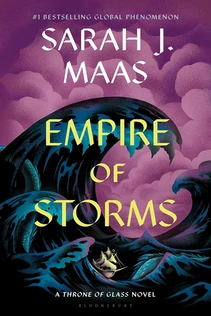
Empire of Storms
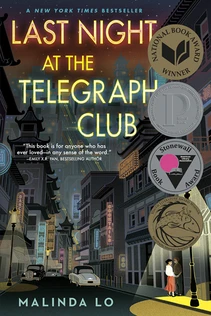

A Court of Thorns and Roses
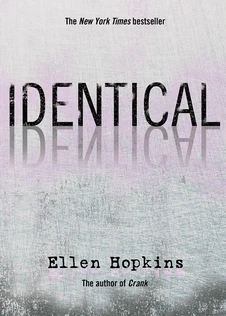
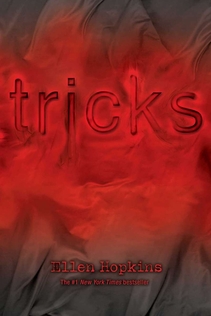
Identical
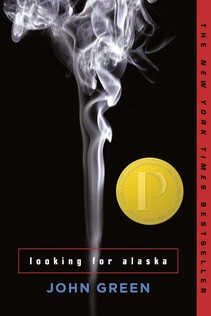
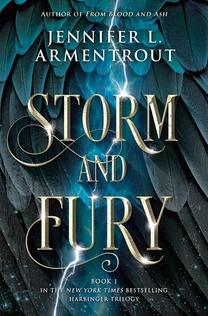
You can find lists of other challenged books from previous years on the ALA’s website. Wikipedia has a comprehensive list of challenged and banned books.
What Do We Mean When We Talk About Banned Books?
Book challenges and bans primarily target public or school libraries, but challenges to materials held in colleges and universities are becoming more frequent. A challenge is an attempt to remove or restrict materials based upon the objections of a person or group. A ban is the removal of those materials. They are attempts to remove material from the curriculum or library, thereby restricting the access of others. Challenges may or may not result in the banning of the books in question. In many areas, books are being removed from libraries on the mere threat or anticipation of a challenge, meaning that no one has access to that material. Self-censorship out of fear of others' actions can be just as harmful as any outside challenge or book ban.
The 2025 data reported to ALA’s Office for Intellectual Freedom (OIF) shows that the majority of book censorship attempts continue to originate from organized movements. In 2025, 92% of all book challenges were initiated by pressure groups, government officials, and decision-makers, up from 72% in 2024. Less than 3% of challenges originated from individual parents.
The most common justifications for censorship provided by complainants were false claims of illegal obscenity for minors; inclusion of LGBTQIA+ characters or themes; and covering topics of race, racism, equity, and social justice.
Since 2021, ALA has tracked a sharp spike in censorship attempts in libraries. OIF tracked 4,235 unique titles challenged in 2025, the second-highest ever documented by ALA. The highest ever documented was 4,240 in 2023. Of the unique titles challenged in 2025, 1,671 (40%) represent the lived experiences of LGBTQIA+ people and people of color.
OIF documented 5,668 books banned from libraries (66% of the total challenged) in 2025. An additional 920 books were censored through access restrictions such as relocation or requiring parental permission. This is both the highest number of titles censored in one year and the highest rate of challenges resulting in censorship from 1990–2025.
“Keep your nose in a book – and keep other people's noses out of which books you choose to stick your nose into!”
― Art Spiegelman
Why Are Book Bans Problematic?
- Book banning limits what students can learn and what teachers can teach.
- Libraries even the playing field by providing access to all books to everyone, regardless of race, social background, or economic circumstances; taking books out of libraries means taking them out of the hands of people who can’t afford to buy their own copies.
- Book banning frequently targets efforts for diversity, equity and inclusion. Targeted books often feature subjects or characters for gender, sexuality, racial, cultural and religious identities.
- We can trust individuals to make their own decisions about what they read and believe.
- Banning books limits access to new ideas. Without new ideas, society cannot move forward.
- Removing and banning books from public libraries is a slippery slope to government censorship and the erosion of our country's commitment to freedom of expression.
“Everybody has the right to form their own opinion and read what they like and come to their own conclusion about it... I trust the reader.”
― Philip Pullman
Can I Check Out Banned Books From The University Library?
San Diego State University does not ban books. If the library has the book in circulation, anyone with circulation privileges may check it out. To find out if the library has a book you are interested in, go to the library home page, enter the title in the search box, and follow the links to locate the book. For the books listed below, the links to the catalog page are already included (click on the title).
To learn more about how books (and other materials) are selected for your use at SDSU, see our Collection Development Policy.
What Can I Do To Combat Book Banning?
The Unite Against Book Bans website has a toolkit for political advocacy against book bans. Steps they recommend are:
- Register to vote and vote for candidates who advocate for the freedom to read.
- Contact decision-makers such as local, state, and federal politicians to express your concern about book bans. Petitions that express the view of many people can have a large impact.
- Contact local media to alert them to efforts to challenge or ban books. Or write a letter to the editor to express your concern.
- Mobilize your community to speak out against efforts to ban books.
Use social media tools to raise awareness of the issue. - Read and talk about books, including those that have been challenged or banned.
EveryLibrary is a 501 c(4) nonprofit organization that builds alliances and grassroots support for library ballot measures, tracks legislation with the potential to affect libraries, and advocates for library funding and protection of library resources and positions.
“If this nation is to be wise as well as strong, if we are to achieve our destiny, then we need more new ideas for more wise men reading more good books in more public libraries. These libraries should be open to all—except the censor. We must know all the facts and hear all the alternatives and listen to all the criticisms. Let us welcome controversial books and controversial authors. For the Bill of Rights is the guardian of our security as well as our liberty.
[Response to questionnaire in Saturday Review, October 29 1960]”
― John F. Kennedy
Where Can I Learn More?
- The American Library Association has extensive information about book-banning efforts. They have also created the site Unite Against Book Bans with information you can use to advocate against book bans.
- California's Freedom to Read Act